

We live in a world where being fast is praised.
Fast replies.
Fast decisions.
Fast results.
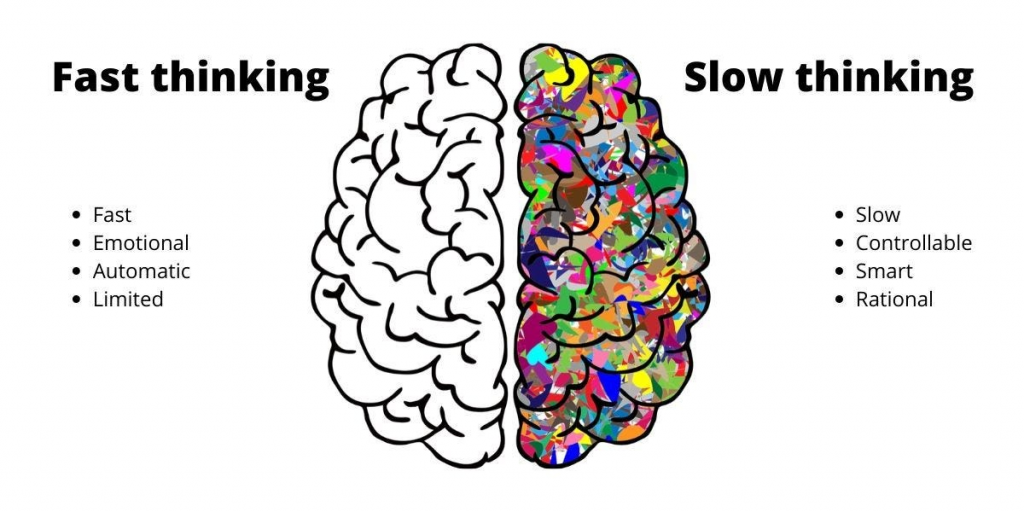
If you take too long to think, people say you’re confused.
If you pause before answering, they say you’re slow.
Somewhere along the way, we started believing that
fast thinking = smart thinking.
But this belief ignores the difference between fast thinking and good thinking.
In real life, some of the worst decisions are made quickly, while some of the best ones take time.
Chess shows this difference better than anything else.
Fast Thinking Looks Cool, But Often Fails
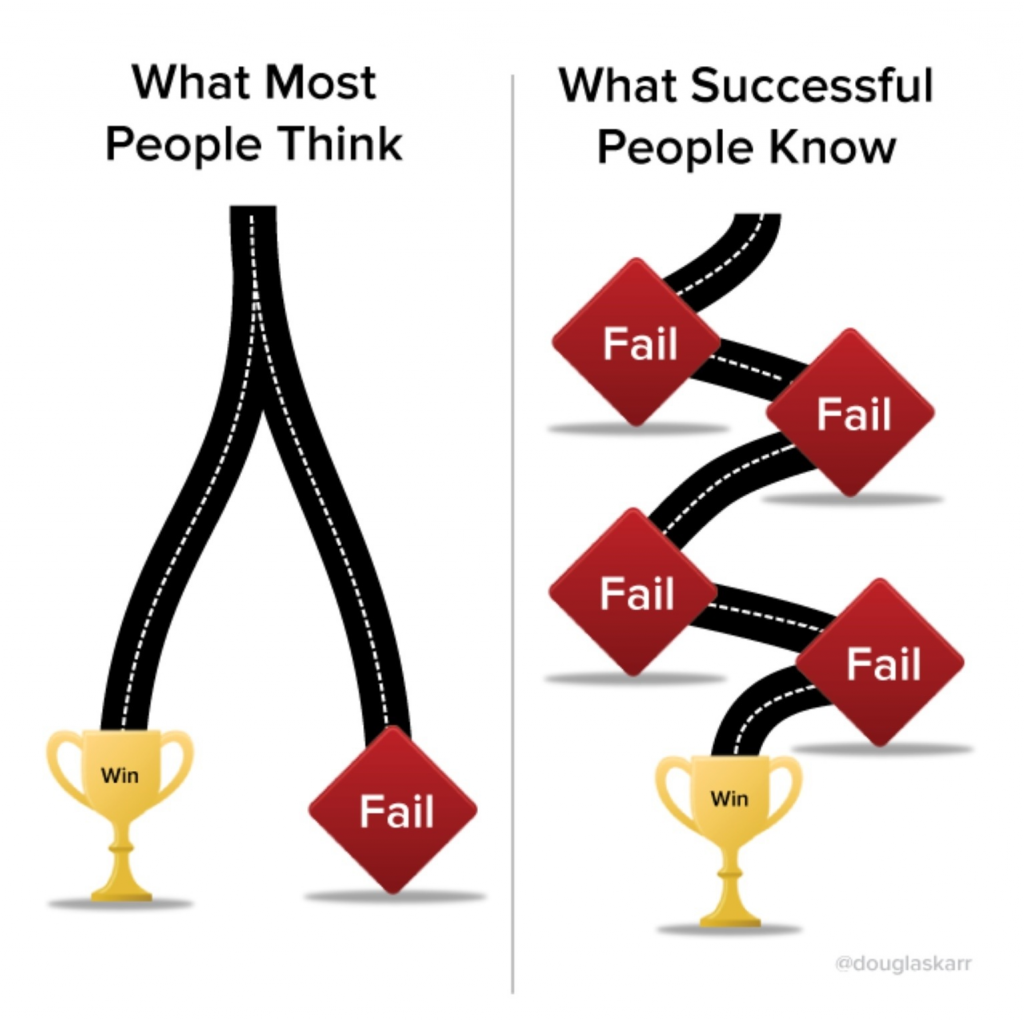
Let’s be honest — fast thinking looks impressive.
Quick answers in class.
Instant reactions.
Bold decisions without hesitation.
But fast thinking usually comes from impulse, not clarity.
In chess, when a player moves too fast, they often miss something
simple:
- a hanging piece
- a hidden attack
- a quiet defensive move
They didn’t lack intelligence.
They lacked patience.
Life works the same way.
Fast decisions feel confident, but they are often shallow.
Good Thinking Is Quiet and Slow
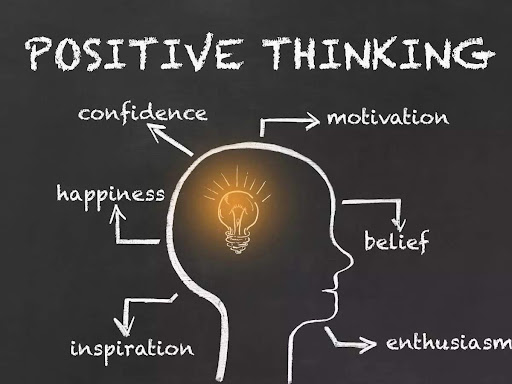
Good thinking doesn’t rush.
It pauses.
It checks.
It asks, “What happens next?”
In chess, strong players don’t move because they feel like it.
They move because they’ve looked at the position properly.
They ask:
- What is my opponent planning?
- What could go wrong?
- Is there a better option?
That habit slowly enters real life too
Students who think well don’t rush exams.
Adults who think well don’t jump into bad decisions.
They wait.
And that waiting saves them.
Why Teens Struggle With This Difference
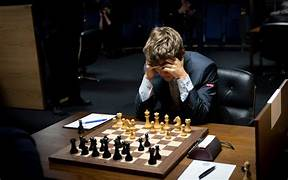
Teen brains are wired for speed.
Everything around them is fast — reels, games,
messages, pressure.
So when a teen overthinks, adults say, “Stop thinking
so much.”
But the problem isn’t thinking — it’s thinking without
direction.
Chess gives thinking a structure.
It tells the brain:
“Think, but think step by step.”
That’s the missing skill.
Real Examples: How Top Players Think
Gukesh
When Gukesh plays, he doesn’t look hurried.

Even in time trouble, he stays composed.
He once said he focuses on finding the best move, not the fastest move.
That mindset helped him handle pressure at a very young age.
Praggnanandhaa

Pragg is known for sitting quietly, almost emotionless.
He doesn’t react immediately to surprises.
Many of his wins came from waiting — letting opponents rush and make mistakes.
That’s good thinking, beating fast thinking.
Javokhir Sindarov (FIDE World Cup 2025
Winner)
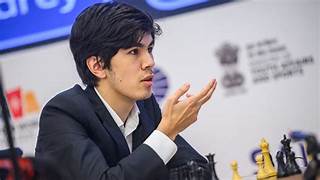
Javokhir’s World Cup run showed this clearly.
He wasn’t flashy.
He wasn’t rushing.
He played solid, patient chess.
Move by move.
Decision by decision.
While others tried to force wins, he waited.
And that patience won him the title.
Good Thinking Reduces Regret
One reason people feel regret is because they act too fast.
They speak before thinking.
They choose before understanding.
They react before calming down.
Chess teaches you something very simple:
If you slow down, you regret less.
Even if you lose, you understand why.
That understanding gives peace.
Fast Thinking Is Useful — But Only After Training
This is important:
Fast thinking is not bad.
But fast thinking only works after good thinking is trained.
In chess, blitz players don’t play fast because they guess.
They play fast because they’ve thought deeply thousands of times before.
Same in life.
Once you train your mind to think clearly, speed comes naturally.
How Chess Trains Good Thinking Daily
Chess forces you to:
- pause before acting
- think about consequences
- accept mistakes without panic
- adjust instead of quitting
It doesn’t shout.
It doesn’t rush you.
It quietly rewires how you approach problems.
That’s why many parents notice their kids becoming calmer after playing chess regularly — not smarter, calmer.
How CircleChess Helps Build This Habit

This is where CircleChess fits naturally.
CircleChess is not about rushing games or chasing ratings.
It’s designed to help players think better, not faster.
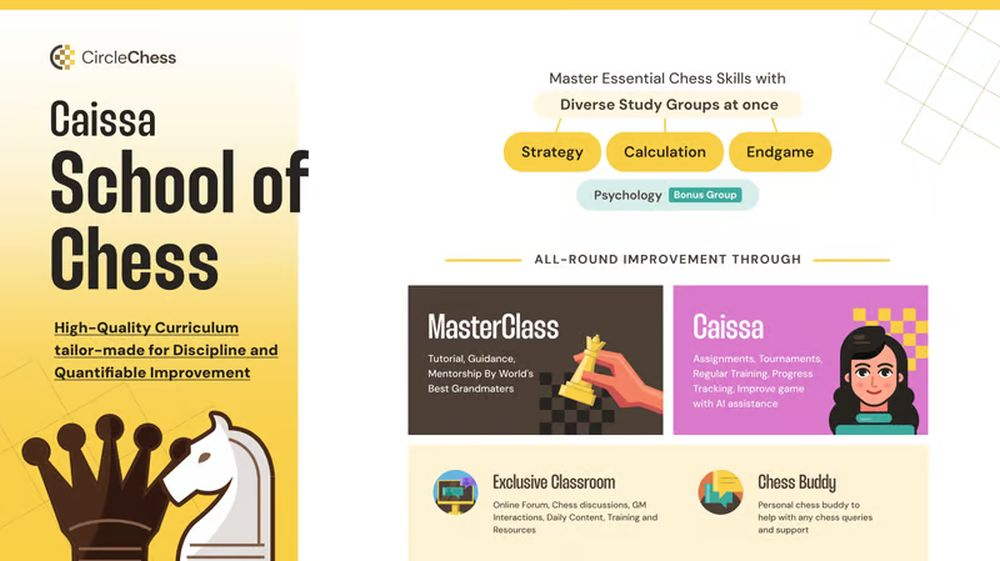
Through CircleChess:
- Students learn from GM & IM coaches who explain why a move works.
- Mindset and psychology sessions help players slow down under pressure.
- Café tournaments and online events give real situations where thinking matters more than speed.
- Parents can track improvement — not just wins, but focus and consistency.
CircleChess gives players space to think, fail, learn, and grow — without pressure.
It cultivates the habit of good thinking, which later becomes natural and efficient thinking.
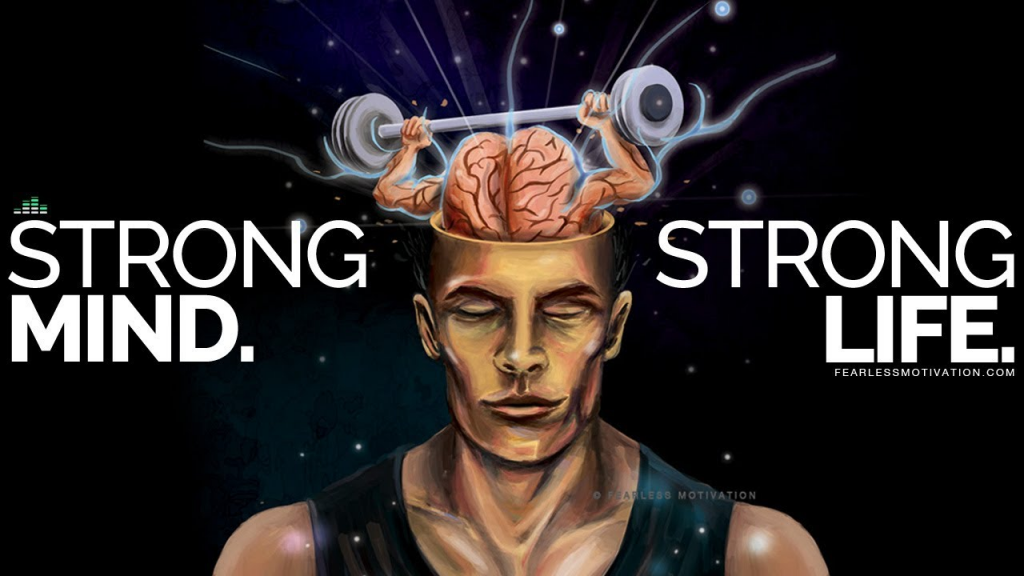
Conclusion: Slow Minds Make Strong Decisions
Fast thinking looks smart.
Good thinking is smart.
Chess doesn’t teach you to be slow.
It teaches you to be clear.
And clarity beats speed in exams, careers,
relationships, and life.
So next time you feel rushed to decide, pause.
Think like a chess player.
Look one move ahead.
Because the best decisions aren’t made quickly —
they’re made thoughtfully.